- Condenser
- Refrigerator Evaporator
-
Compressors
Refrigerator Compressors Shop all
-
Motors and Fans
Motors and Fans Shop all
-
Refrigerator Accessories
Refrigerator Accessories Shop all
-
Air Conditioner Accessories
Air Conditioner Accessories Shop all
- Refrigerants
-
Repair Tools
Repair Tools Shop all
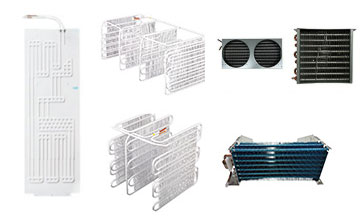
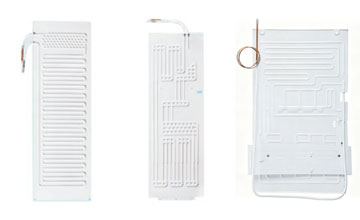
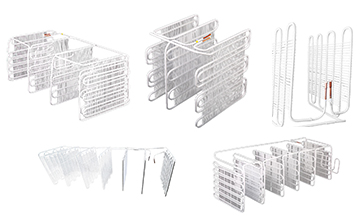
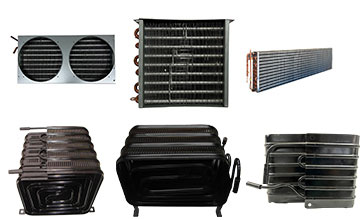
Key Considerations for Purchasing Refrigerator Accessories
Oct 12,2026 - 11:45 Reading:2
As high-frequency commercial refrigeration equipment, refrigerators require attention to common issues such as accessory aging, wear and faults after long-term use when purchasing spare parts. It is essential to balance quality and cost-effectiveness. Corporate procurement teams for logistics should not focus solely on price. Choosing poor-quality or mismatched accessories may lead to electrical faults, compressor burnout and other safety hazards, raising subsequent maintenance costs. Mastering key procurement points is therefore critical.
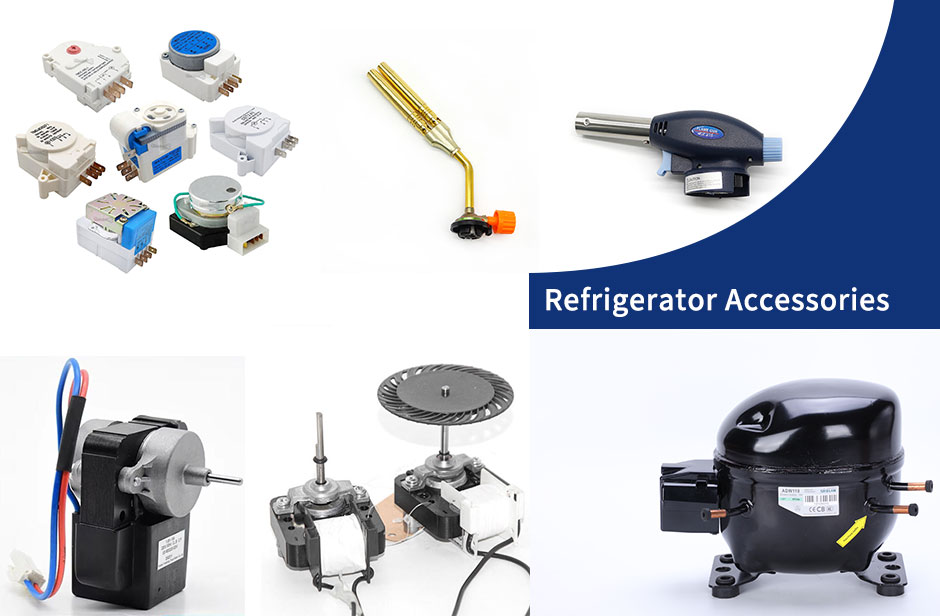
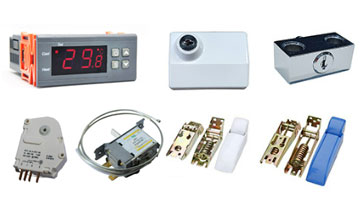
Accurate verification of model specifications is the primary prerequisite for procurement. There is a wide variety of accessories, including compressors, starters, thermostats, door seals, fan motors, refrigeration pipelines, filters and dozens of other products. Specifications vary greatly among refrigerators of different brands, models and capacities, and most accessories are not interchangeable.
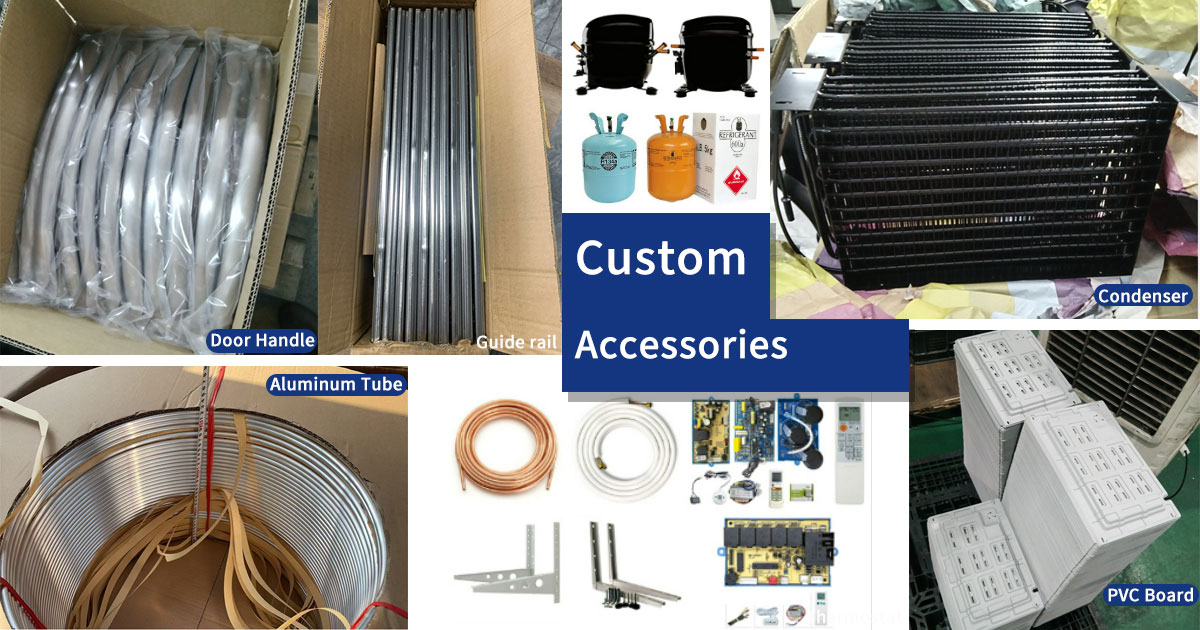
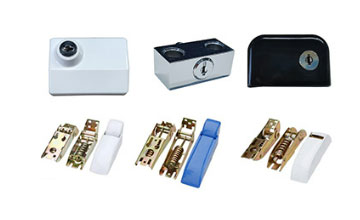
Before procurement, accurately record core information including the refrigerator’s full model number, factory serial code, compressor parameters and refrigerant type. For key components, take photos of the equipment nameplate and details of old accessories for parameter verification with suppliers. For example, refrigerator starters must match the compressor’s resistance value, starting torque and temperature resistance. Door seals require strict checks on dimensions, buckle specifications and magnetic parameters to prevent equipment faults caused by dimensional errors or mismatched specifications.
Strictly control quality and compliance certifications. Refrigerators are electrical refrigeration appliances, and accessory quality is directly related to electrical safety and cooling performance. Although low-quality accessories appear cheap per unit, they carry substantial hidden costs.
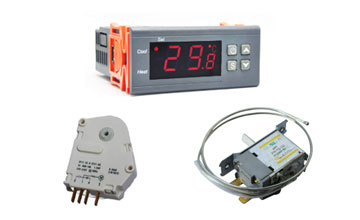
Substandard thermostats are prone to temperature control failure, resulting in excessive ice buildup or insufficient cooling. Poor-quality pipeline components have low pressure resistance, which may cause refrigerant leakage and pipe rupture. Uncertified electrical accessories can easily trigger safety incidents such as short circuits and electric leakage. The mindset of prioritizing low prices must be abandoned; formally certified compatible accessories should be selected first.
Meanwhile, verify product safety certifications and quality test reports. For export-oriented accessories, confirm compliance with regulatory standards of the target regions to avoid losses from patent infringement or non-compliance.
Quality can be preliminarily judged by feel, workmanship and material details. High-quality accessories feature fine workmanship, tightly fitted interfaces, robust materials and no strange odors. Inferior accessories often have burrs, thin materials and unclear markings.
Calculate full-life-cycle costs comprehensively and avoid the trap of one-sided low pricing. Comparing unit prices alone is a major pitfall in refrigerator accessory procurement; a low upfront price usually comes with high long-term wear costs.
Adopt a full-lifecycle cost mindset and compare core indicators including unit price, service life, energy consumption and failure rate. High-quality parts are mandatory for critical components such as compressors. For consumable small parts like door seals and filter screens, compare prices of qualified options under compliance requirements to balance cost-effectiveness and practicality.
Select reliable suppliers, as they determine accessory quality, supply stability and after-sales service. Opt for original manufacturers and authorized distributors of official brands. Avoid cooperating with unqualified small workshops and individual vendors to rule out refurbished parts, defective goods and counterfeit products.
Verify the supplier’s capability for technical verification and custom matching to accurately match accessories according to equipment parameters and reduce compatibility risks. Confirm warranty terms to ensure after-sales support for quality defects after purchase. For bulk orders, conduct pre-production sample testing. Place mass orders only after confirming acceptable quality and compatibility to mitigate bulk procurement risks.
Standardize warehousing and acceptance procedures. Strictly implement acceptance checks to verify whether the accessory model, specifications and quantity match the order.
Inspect for damage, deformation and aging on the exterior, and check the completeness of accessory markings, certificates and test reports. For precision electrical accessories, conduct power-on and compatibility tests. Put items into storage only after confirming normal operation.
Implement classified storage of accessories: keep electrical parts moisture-proof and dust-proof, protect pipeline components from crushing and deformation, and store rubber parts away from light to prevent premature aging and failure caused by improper storage.
In summary, refrigerator accessory procurement shall be based on model compatibility, centered on quality and compliance, guided by controllable costs and supported by after-sales guarantees. Standardizing the entire procurement process enables the purchase of well-matched, high-quality and cost-effective accessories.
.jpg)


Subscribe for more updates
Get instant updates about our new products and special promos!
