- Condenser
- Refrigerator Evaporator
-
Compressors
Refrigerator Compressors Shop all
-
Motors and Fans
Motors and Fans Shop all
-
Refrigerator Accessories
Refrigerator Accessories Shop all
-
Air Conditioner Accessories
Air Conditioner Accessories Shop all
- Refrigerants
-
Repair Tools
Repair Tools Shop all
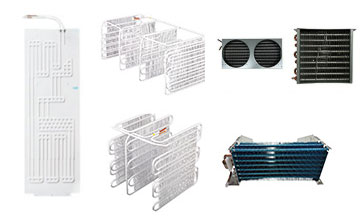
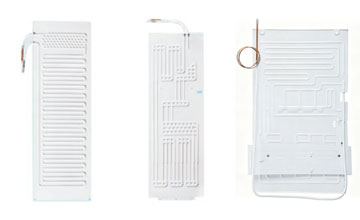
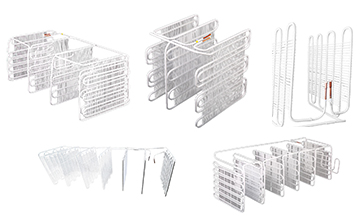
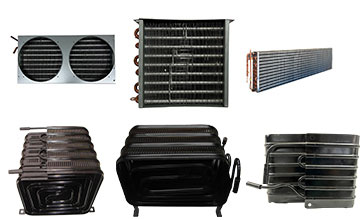

Refrigerator Evaporator Maintenance Methods
Sep 28,2026 - 11:49 Reading:3
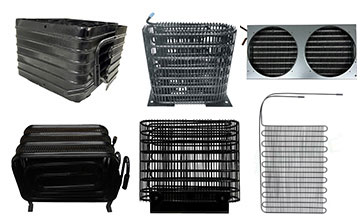
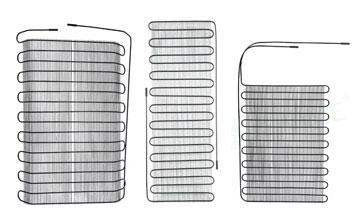
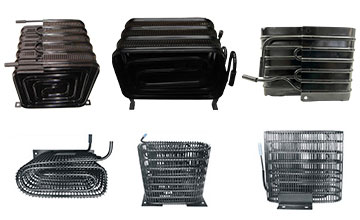
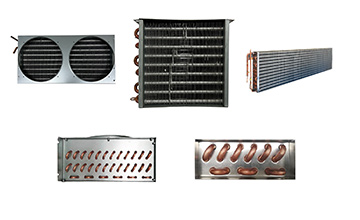
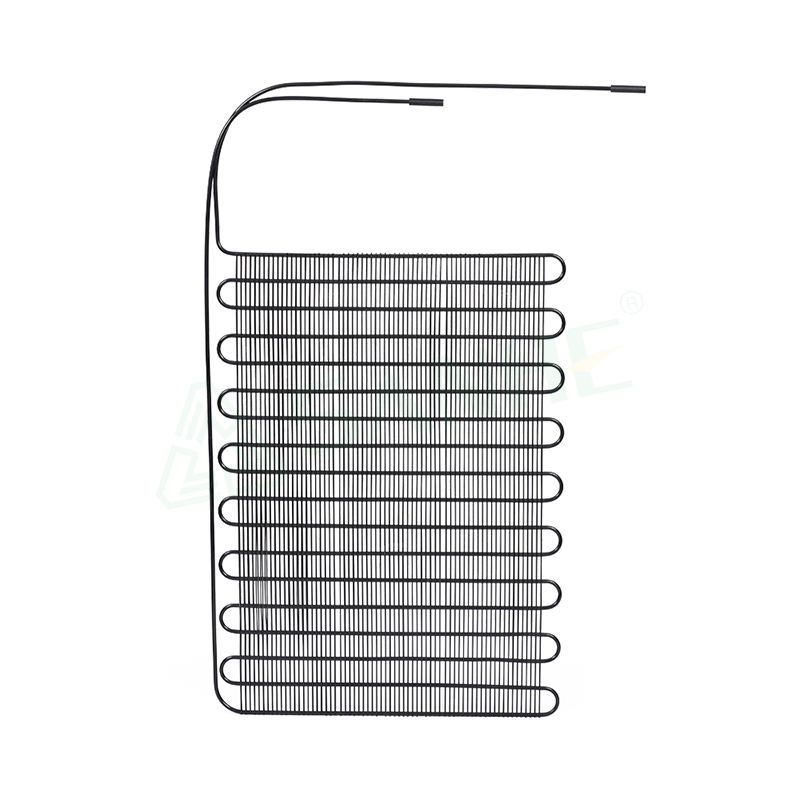
The evaporator is a core component of the refrigerator refrigeration system, known as the "refrigeration heart" of the fridge. It absorbs heat through refrigerant phase change to cool and preserve food inside the cabinet. The cleanliness and operating condition of the evaporator directly determine the refrigerator’s cooling efficiency, power consumption, food preservation effect and overall service life.
.jpg)
In daily use, most problems such as poor cooling performance, heavy frost buildup, increased noise and surging power consumption of refrigerators mostly stem from dust accumulation, ice blockage and blocked air ducts on the evaporator. Regular maintenance of the evaporator can not only prevent frequent failures but also greatly extend the service life of the refrigerator and its accessories, which is an important maintenance measure.
To maintain the evaporator accurately, you first need to understand two major core damage issues:
Frost & Ice Formation and Dust Blockage
Opening and closing the refrigerator door daily brings in moisture. Over time, moisture condenses into frost on the surface of evaporator fins. When the frost layer exceeds 3 mm thick, it forms a thermal insulation layer, seriously hindering heat exchange and resulting in slower cooling of the refrigerator and continuous high-load operation of the compressor. Meanwhile, dust, food debris and mold in the air will attach to the gaps between dense evaporator fins, blocking air ducts, breeding bacteria and causing odors.
Standard Defrosting
Standard defrosting is the core and most basic maintenance operation for the evaporator. Before maintenance, the refrigerator power supply must be cut off to eliminate electric leakage risks. Remove all food inside the cabinet and lay dry towels at the bottom to catch melted water and prevent water from seeping into circuits and the compressor compartment.
Hot Water Steam Defrosting
Adopt natural defrosting or hot water steam method: place a container with warm water at around 60°C inside the refrigerator and close the door to accelerate ice softening. No manual intervention is required during the whole process. After the ice loosens, gently remove residual ice with a plastic scraper. Never use metal tools such as kitchen knives or screwdrivers to strike, pry or scrape the evaporator, as they can easily scratch thin-walled copper tubes, bend precision fins, cause refrigerant leakage and render the component scrapped.
After defrosting, wipe off accumulated water on the evaporator and drain holes, and clear the drain pipeline to avoid secondary ice blockage caused by residual water. For household refrigerators, thorough defrosting is recommended every 3–6 months; for commercial freezers, shorten the interval to 1–2 months.
.jpg)
In addition to defrosting, regular deep dust cleaning is essential. The gaps between evaporator fins are narrow and prone to trapping dust and impurities. Long-term accumulation will completely block air ducts. For cleaning, remove the back panel of the refrigerator’s refrigerating compartment to expose the evaporator assembly. First, use a soft brush to sweep loose dust gently along the direction of the fins, then use a fine vacuum nozzle to clear residual debris in gaps. For stubborn stains and mold, wipe and disinfect with 75% alcohol pads, which can remove dirt and inhibit bacteria without corroding metal parts.
Precautions
Do not rinse the evaporator directly with water during cleaning, to avoid circuit short circuits and component rusting caused by residual moisture. Under normal usage conditions, deep cleaning of the evaporator is recommended every six months. For kitchens with heavy oil fume or environments with high dust levels, clean once every 3 months.
Evaporator Maintenance Methods
Good daily habits are the key to reducing evaporator wear and lowering maintenance costs.
First, avoid overloading the refrigerator. Leave ventilation gaps between stored food items and do not place food tightly against the evaporator back panel, to prevent air duct blockage and moisture buildup that aggravate frost and ice accumulation.
Second, hot food must cool down to room temperature before being stored in the fridge. High-temperature food will greatly raise the humidity inside the cabinet, worsen frost formation on the evaporator and increase the working load of the compressor.
In addition, reduce the frequency and duration of refrigerator door openings to prevent massive inflow of hot and humid outside air and reduce frost generation at the source.
Inspect the sealing performance of the refrigerator door gasket regularly. Aging and leaking gaskets are a major cause of frequent frost buildup on the evaporator. Replace leaking gaskets in a timely manner to effectively reduce the working pressure on the evaporator.
Common Maintenance Misconceptions
Directly blowing the evaporator with hot air from a hair dryer: high temperature will deform fins, age sealing rubber and cause pipeline desoldering, severely damaging the refrigeration system;
Failure to clean for a long time and allowing thick frost and dust to accumulate will not only sharply increase power consumption but also lead to uneven heating and cooling of the evaporator and accelerate component aging and failure.
Models with automatic defrost function are not maintenance-free. Their defrost systems can only handle thin frost. Dust and stubborn ice will still build up after long-term use, requiring regular manual deep maintenance.
Scientific maintenance of the evaporator can effectively protect the entire refrigeration system including compressors and refrigerant pipelines, greatly reduce part wear and repair costs. The core of maintenance lies in "frequent defrosting, regular dust removal, damage prevention and proper usage".
.jpg)


Subscribe for more updates
Get instant updates about our new products and special promos!
