- Condenser
- Refrigerator Evaporator
-
Compressors
Refrigerator Compressors Shop all
-
Motors and Fans
Motors and Fans Shop all
-
Refrigerator Accessories
Refrigerator Accessories Shop all
-
Air Conditioner Accessories
Air Conditioner Accessories Shop all
- Refrigerants
-
Repair Tools
Repair Tools Shop all

Is Refrigerant Replacement for Air Conditioners Safe?
Oct 15,2026 - 08:51 Reading:1
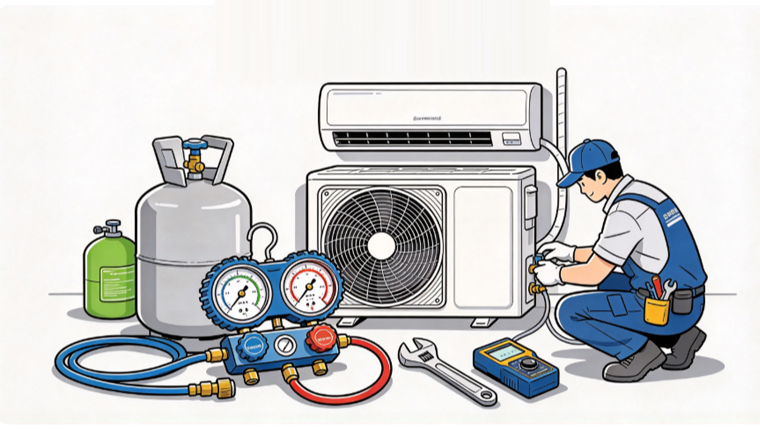
When air conditioning fails to cool well in summer or loses heating capacity in winter, many families’ first thought is "time to add refrigerant". Air conditioners do require periodic refilling or replacement of refrigerants (commonly known as refrigerant). However, this task is far more complex than it sounds — refrigerant replacement itself is not dangerous; hazards arise from non-standard operations. Once you understand what refrigerant is, where the risks lie and who to hire for the job, you can handle it safely and without worry.
1. Which Type of Refrigerant Are You Replacing?
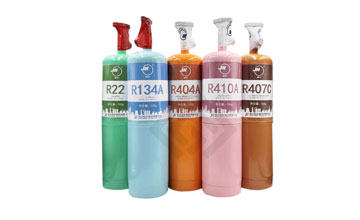
Three main generations of refrigerants are used in air conditioners on the market: the older R22 (Freon), the transitional R410A, and R32, the mainstream option for newly manufactured units. They have completely different properties.
R22: Non-flammable, but it depletes the ozone layer and is being phased out. It is mostly found in old air conditioners installed more than a decade ago.
R410A: Non-flammable (Safety Class A1), yet it has a high global warming potential and was the mainstream choice in previous years.
R32: Eco-friendly and energy-efficient, currently the primary refrigerant for new air conditioners. Its biggest difference from the other two is that it is mildly flammable (Safety Class A2L).
In other words, if you own a new air conditioner, it most likely uses R32, a refrigerant that can ignite when exposed to an ignition source. It is not unsafe to use, but it demands stricter operating standards.
2. Real Risks Stem from Improper Operations
The hazards of refrigerants mainly fall into three categories:
First, fire and explosion risks. R32 is a mildly flammable gas. When its concentration in the air reaches around 13%–14% and it comes into contact with open flames or high temperatures, it may catch fire or even explode. Severe consequences will occur if technicians smoke while recovering refrigerant or directly weld pipelines with residual refrigerant using ordinary electric welding. Slightly heavier than air, R32 tends to accumulate in low-lying areas, which creates extra risks in small enclosed spaces.
Second, mixing different refrigerants is equivalent to planting a bomb. Although R32 and R410A share related components, they differ in chemical composition and working pressure, and must never be mixed. Mixing different refrigerants in one system alters operating pressure. In mild cases, cooling performance drops sharply and the compressor gets damaged. In severe cases, abnormal pressure may cause pipe rupture or compressor explosion. This is one of the most common and fatal violations in air conditioning maintenance.
Third, improper pressure and vacuum treatment. New refrigerants such as R32 operate at high pressure and require dedicated pipelines and tools. Adequate vacuum pumping (usually for more than 15 minutes) is mandatory before charging refrigerant. Residual air inside pipelines not only reduces cooling performance but also triggers abnormal pressure and potential fire hazards.
3. Correct Procedures for Safe Refrigerant Replacement
Standard refrigerant replacement or refilling follows these steps:
Step 1: Diagnose before work starts. Confirm whether refrigerant is truly insufficient and check for leaks. Fix leak points before charging refrigerant; otherwise, the refilling will be useless.
Step 2: Recover old refrigerant. Use professional equipment to recover the old refrigerant from the system and empty pipelines. Direct release into the air is forbidden, as it pollutes the environment and causes waste.
Step 3: Complete vacuum pumping. Pump the system to the specified vacuum level and hold for a period before charging to verify there are no leaks.
Step 4: Charge the original refrigerant model with dedicated equipment. The refrigerant must match the model marked on the air conditioner nameplate, and charging should be performed precisely according to the rated volume.
Step 5: Leak detection and final check. Inspect all joints with an electronic leak detector after charging. Restore power only after confirming zero leakage.
4. Things You Need to Check as a User
Safety largely depends on the reliability of the technician you hire. Here are several points for your verification:
1. Verify qualifications. Choose certified after-sales maintenance technicians trained by manufacturers. For R32 air conditioners, technicians from official channels hold relevant operation certificates.
2. Confirm refrigerant model. Ask technicians to check that the refrigerant matches the nameplate specification before charging. Mixing refrigerants is prohibited, and this is a non-negotiable rule.
3. Supervise vacuum pumping. Do not accept the claim that "refrigerant can be added without vacuum pumping". This is usually cutting corners.
4. Check the working environment. The operation should take place in well-ventilated areas away from open flames and electric heating equipment.
Refrigerant replacement is safe as long as you "use the right refrigerant, hire qualified personnel and follow standard procedures". Under standard operation, refrigerants such as R32 remain stable inside the sealed air conditioning system. Nearly all accidents are caused by violations like mixing refrigerants, rough operation and skipping vacuum pumping. Instead of worrying whether refrigerant replacement is safe, remember this rule: No mixing, full vacuum pumping, hire certified technicians. If these three requirements are met, refilling air conditioning refrigerant is a routine job.
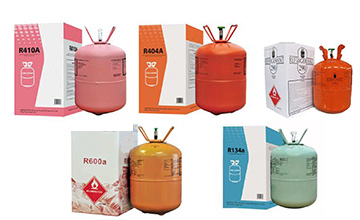
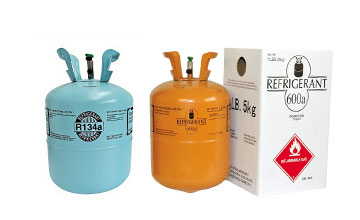
If your air conditioner needs refrigerant, Nenwell supplies multiple models of air conditioning refrigerants suitable for repair shops, OEM factories and original equipment manufacturers.
.jpg)


Subscribe for more updates
Get instant updates about our new products and special promos!
