- Condenser
- Refrigerator Evaporator
-
Compressors
Refrigerator Compressors Shop all
-
Motors and Fans
Motors and Fans Shop all
-
Refrigerator Accessories
Refrigerator Accessories Shop all
-
Air Conditioner Accessories
Air Conditioner Accessories Shop all
- Refrigerants
-
Repair Tools
Repair Tools Shop all
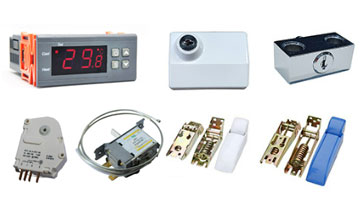
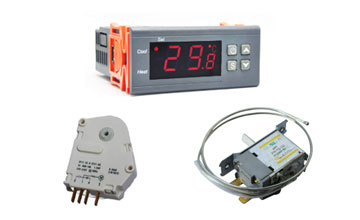
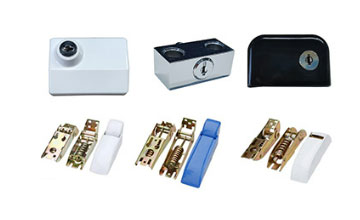
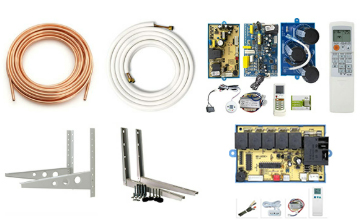
How to Select the Best Refrigeration Components?
Sep 01,2026 - 17:52 Reading:179
Consistent performance, service life, and energy efficiency of refrigeration equipment hinge largely on the compatibility and quality of its core components. Most breakdowns, spikes in power consumption, and poor cooling performance do not stem from aging hardware. Instead, these issues arise from mismatched replacement parts, non-OEM components, and inconsistent technical specifications. For both commercial refrigeration/freezing systems and household refrigerators, matching the original equipment manufacturer’s specifications is the fundamental requirement for reliable long-term operation. Drawing on real-world industry test data, equipment maintenance metrics, and market failure statistics, this article breaks down the precise selection criteria for four key refrigeration parts. It helps business owners, procurement specialists, and maintenance technicians avoid common selection pitfalls, cutting failure rates and operational expenses.
According to 2025 refrigeration industry maintenance statistics, 68% of repeat equipment failures in the market are caused by improperly matched core components. Units fitted with incompatible parts see an average energy consumption rise of 18%–25%, with service life shortened by more than 30%. In contrast, equipment using OEM, spec-matched compatible parts experiences repeat failure rates below 7%, keeping power usage aligned with factory benchmarks. These figures clearly show that component selection is not about picking cheap universal alternatives — it is all about precise compatibility. The standards covered here come from field testing across supermarket display freezers, café refrigeration gear, residential fridges and more, delivering highly practical, actionable guidance.
When servicing, upgrading, or replacing failed refrigeration components, picking compatible parts matters far more than rushed substitutions. Universal aftermarket parts may seem cost-effective at first glance, yet they carry hidden risks including parameter discrepancies, mismatched operating conditions and poor compatibility. While they might function normally in the short term, they trigger cascading faults over time: compressor overload, uneven cooling, frequent cycling, and abnormal frost buildup. As a professional refrigeration equipment supplier with years of experience in component matching, we serve supermarkets, food service businesses and residential end users worldwide. We have built a robust component matching framework and deep selection expertise. Below, we walk through the selection logic for the four core components.
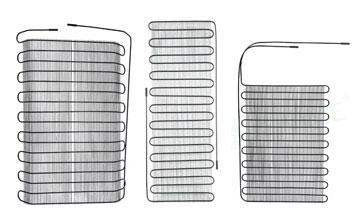
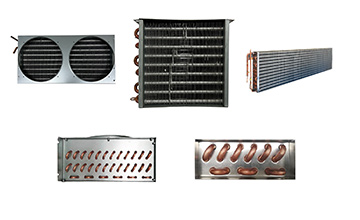
I. Evaporator: The Heat Exchange Core for Refrigeration Units
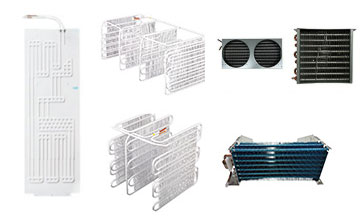
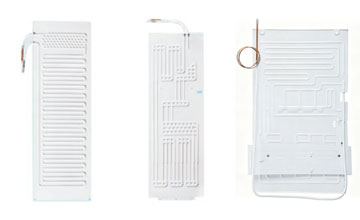
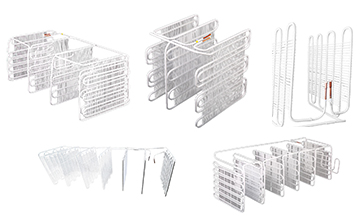
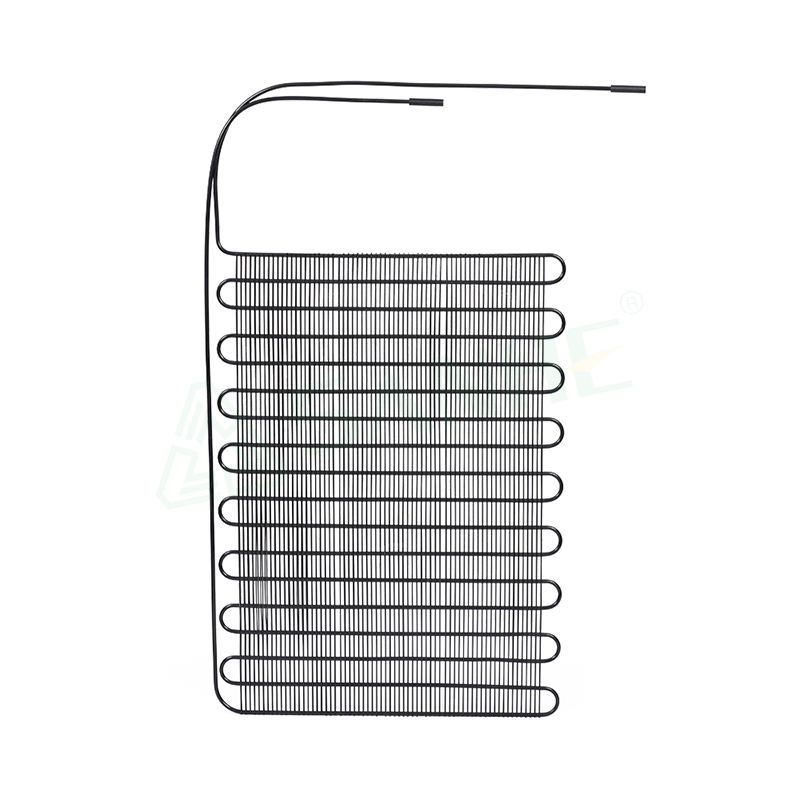
The evaporator serves as the heat exchange heart of a refrigeration system, absorbing internal heat to bring temperatures down. Its size, material and thermal transfer properties directly determine cooling speed and temperature uniformity. Many users report slow cooling, uneven temperature zones and compromised food preservation — most often because they chose an ill-fitted component.
Field testing reveals widely varying compatibility requirements for different use cases. Small residential refrigeration units typically need an evaporator heat transfer area of 0.8–1.2 m². Commercial supermarket display cases and café refrigerators require 2.5 m² or larger to handle frequent door openings and cooling demands for large storage volumes. Fitting a small heat exchanger to a high-power refrigeration system results in insufficient heat transfer and continuous heavy load operation, increasing daily power draw by roughly 20%. Conversely, pairing an oversized unit with a low-power system leads to overcooling, excessive frost formation, and overworked defrost hardware that accelerates component wear.
Material choice is equally critical. Copper and aluminum tubing are the two mainstream options. Copper versions offer thermal conductivity of 401 W/(m·K), excellent corrosion and oxidation resistance, and work reliably in high-humidity, heavy-use environments for 8–10 years. Aluminum tubing has a lower upfront cost and thermal conductivity of 237 W/(m·K), yet it corrodes easily. In the persistent high humidity of retail spaces, aluminum lines often develop oxidation and micro-leaks within 3–5 years. Data shows commercial refrigeration units using aluminum evaporators carry a 45% failure risk within three years, while copper models see failure rates under 12%.
Core selection rule: Prioritize alignment with the OEM factory specifications for heat transfer area, pipe diameter and defrost compatibility. Pick materials based on usage scenario. Aluminum evaporators offer good value for low-frequency residential use. For high-demand commercial environments such as grocery stores and cafes, corrosion-resistant copper construction is mandatory to sustain stable long-term performance.
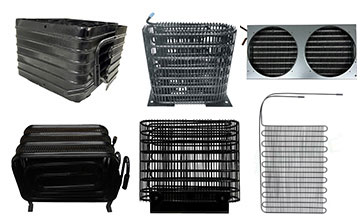
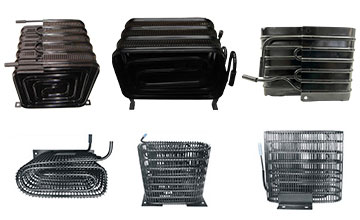
II. Condenser: The Critical Heat Rejection Component
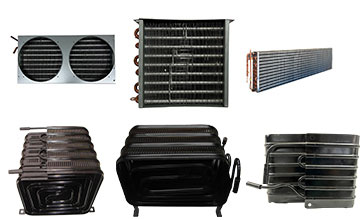
The condenser handles heat dissipation for refrigeration systems, stabilizing internal pressure and controlling energy use. Many buyers overlook proper matching, leading to high-pressure alarms, overheated compressors, and shutdown protection in hot weather. The flaws of nonstandard generic models become drastically worse under high ambient temperatures.
Industry testing shows every 10 °C rise in ambient temperature increases cooling system heat load by over 35%. OEM-spec condensers maintain system pressure safely within the 1.8–2.2 MPa range even at 38 °C ambient temperature. Generic nonstandard condensers operating under identical conditions can easily push pressure past 2.8 MPa, triggering overload protection and increasing shutdown frequency by over 60%. Long-term high-pressure operation permanently degrades compressors and causes irreversible damage.
Condensers fall into two primary categories: air-cooled and water-cooled, each built for distinct applications. Air-cooled variants fit most residential and mid-size commercial refrigeration systems. Airflow rates and heat rejection area must precisely match system power requirements; a standard 1 HP refrigeration system requires at least 1.8 m² of heat dissipation surface. Water-cooled condensers are mainly deployed for large supermarket cold storage racks. They deliver superior heat rejection but impose strict requirements for installation space and water quality.
Key selection trap to avoid: Do not blindly choose larger units. The misconception “bigger equals better heat rejection” causes serious issues. Excessively large condensers create over-dissipation, abnormal refrigerant return temperatures, erratic cycling, and frequent icing under low-temperature operating conditions. The optimal approach is to strictly follow OEM specs for heat rejection area, fan parameters and mounting dimensions so heat output perfectly matches system operating conditions.
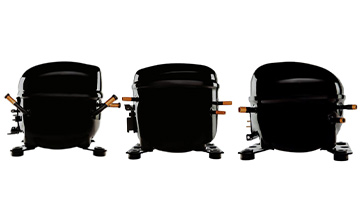
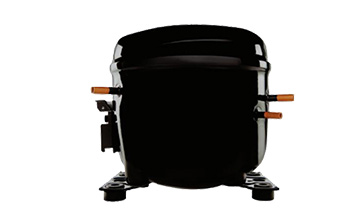
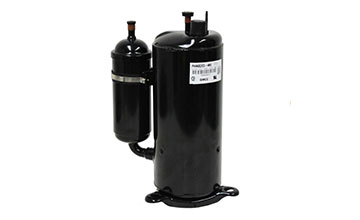
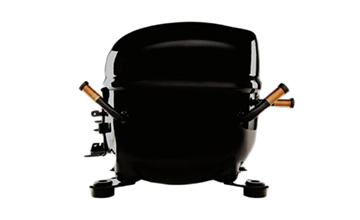
III. Compressor: The Heart of Refrigeration Performance
The compressor acts as the power core of refrigeration equipment and is widely known as the “heart” of the cooling system. Power rating, refrigerant compatibility and operating parameters directly define cooling capacity, noise levels and service life. Among all refrigeration parts, this component leaves the narrowest margin for error. Even a 0.2 HP deviation can destabilize the entire refrigeration circuit.
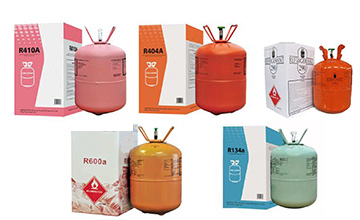
When evaluating fit, focus on three core metrics: power rating, compatible refrigerant type and evaporation temperature range. Most modern refrigeration equipment runs on either R600a or R134a refrigerants. These two refrigerants operate under entirely different pressure and compression ratios and must never be interchanged. Bench tests confirm systems using mismatched refrigerants and compressors lose 30% energy efficiency after three months of runtime, with noise rising by 15–20 decibels. Extended operation leads to cylinder wear, refrigerant leaks and severe failures.
For power matching: residential refrigeration equipment commonly uses 0.5–0.8 HP compressors. Standard supermarket and café refrigeration units call for 1.0–1.5 HP models. Low-temperature freezers require dedicated low-temperature compressors rated at 2.0 HP or higher. Many maintenance teams install similar-power substitutes to cut short-term costs, which is the leading cause of recurring breakdowns. A 0.3 HP power mismatch leads to insufficient cooling or overload operation, raising daily energy consumption by 22% and cutting major overhaul cycles in half.
OEM compressors feature factory-tuned startup/shutdown logic and overload thresholds, delivering far better compatibility than generic drop-in replacements. Genuine OEM units deliver more than 50,000 hours of trouble-free runtime on average, while generic nonstandard alternatives average only 28,000 hours — a major gap in reliability. Always cross-reference the original unit’s brand model, power rating and refrigerant type to prevent incompatible cross-spec installations.
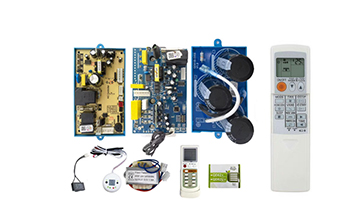
IV. Temperature Controller Panel: The Smart Control Hub
The temperature controller panel serves as the intelligent command center for refrigeration equipment. It precisely regulates temperature, defrost cycles and compressor cycling frequency. Though compact, it directly impacts temperature accuracy, power consumption and failure rates. Common issues including temperature swings, incomplete defrosting, frequent cycling and false alarms often stem from poorly matched controllers.
Per standard industry technical specs, a properly matched high-quality controller covers a measurement span of -50℃ to 99℃ with temperature accuracy of ±0.5℃, and allows custom adjustments to defrost duration, defrost intervals and turn-on thresholds. Standard commercial factory settings are 15 minutes per defrost cycle with 6–8 hour intervals. This works well in humid commercial environments and prevents evaporator blockage from frost buildup. Generic nonstandard controllers only hit ±1℃ accuracy and cannot align defrost settings to system conditions, resulting in leftover frost, over-defrosting and unstable temperatures.
Controller compatibility is the biggest selection challenge. Different equipment brands use proprietary circuit designs, sensor types and relay load ratings. Panels may look identical externally yet contain incompatible circuit logic. The two dominant sensor types are NTC and PTC. NTC sensors provide higher precision and suit regular refrigeration applications. PTC sensors offer stronger stability and fit low-temperature freezer systems. Mismatched sensors and controllers lead to faulty temperature readings, false alarms and erratic compressor cycling.
Field tests show OEM-matched controllers limit temperature fluctuations to ±0.8℃ and reduce cycling frequency by 30%, cutting wasted energy. Generic mismatched controllers can swing as much as ±2℃, hurting food preservation stability. Frequent cycling also accelerates wear on core hardware. When selecting a controller, carefully verify mounting dimensions, supply voltage, sensor type and relay load ratings. Full alignment with the original manufacturer’s specifications ensures precise temperature control and dependable long-term function.
V. What Is the Best Component Selection Strategy? OEM Compatibility Is the Ideal Choice
Based on test results and maintenance experience across these four core components, there is no universal “one-size-fits-all” refrigeration part. Only precisely matched components work correctly. Low-cost generic replacements reduce upfront purchase costs but create hidden expenses: higher power bills, repeated breakdowns and premature equipment aging. Over time, their total cost of ownership is very poor.
Cost comparisons show OEM-compatible components carry a 15%–20% higher upfront purchase price, yet cut annual maintenance expenses by more than 40%, reduce losses from downtime by 65%, and extend total equipment service life by 30%–50%. For supermarkets, cafes and other businesses reliant on continuous refrigeration, proper component matching delivers immense value, preventing food spoilage and revenue losses caused by unexpected shutdowns.
As a professional supplier of refrigeration equipment and matching spare parts, we have deep industry experience supporting most major refrigeration brands. We supply full lines of evaporators, condensers, compressors and temperature controller panels. All our components adhere strictly to OEM specifications and undergo multi-condition operational testing. They fit residential units, supermarket installations and restaurant cold storage, eliminating equipment failures caused by poor part selection at the source. We help customers run refrigeration hardware with lower energy use, fewer breakdowns and extended service life.
Reviewing thousands of service cases, we have identified three common component selection mistakes. First, chasing cheap generic parts without checking parameter fit: savings in the short term lead to severe long-term damage. Second, judging compatibility only by physical size. Identical external dimensions do not guarantee functional compatibility and can trigger system failures. Third, mixing components from different brands or for different refrigerants. This upsets the refrigeration system balance and accelerates equipment aging.
The optimal selection principle stays consistent: follow the original equipment manufacturer’s factory parameters for operating specs, circuitry, dimensions and materials. Avoid generic parts blindly. Whether replacing parts for routine maintenance or upgrading equipment, precise compatibility is essential to reliable operation and operational cost control.
Users without professional selection expertise are discouraged from self-matching replacements. Work with a specialized supplier’s component matching system to select parts tailored to your equipment model, operating environment and performance requirements. This reduces selection risks, maximizes refrigeration equipment service life and lowers long-run operational costs.
.jpg)


Subscribe for more updates
Get instant updates about our new products and special promos!
