- Condenser
- Refrigerator Evaporator
-
Compressors
Refrigerator Compressors Shop all
-
Motors and Fans
Motors and Fans Shop all
-
Refrigerator Accessories
Refrigerator Accessories Shop all
-
Air Conditioner Accessories
Air Conditioner Accessories Shop all
- Refrigerants
-
Repair Tools
Repair Tools Shop all
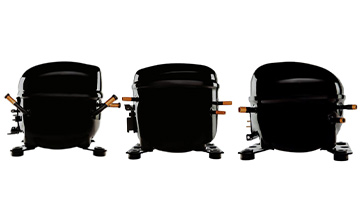
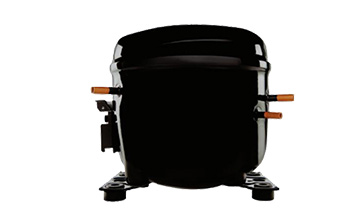
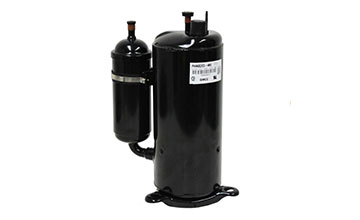
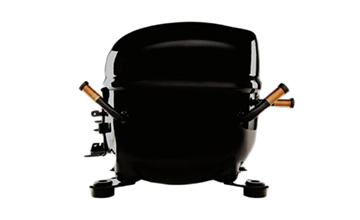

Selection and Safety Operation Specifications of Hermetic Compressors
Sep 10,2026 - 16:23 Reading:19
Hermetic compressors are widely used in refrigeration systems such as commercial refrigerators, display cabinets, beverage coolers, refrigerators and cold storage. Reasonable selection, standardized operation, proper maintenance and safe operation determine the refrigeration performance, energy consumption, service life and operational safety of the equipment. This article comprehensively explains compressor selection skills, correct operation methods, daily maintenance points and complete safety specifications.
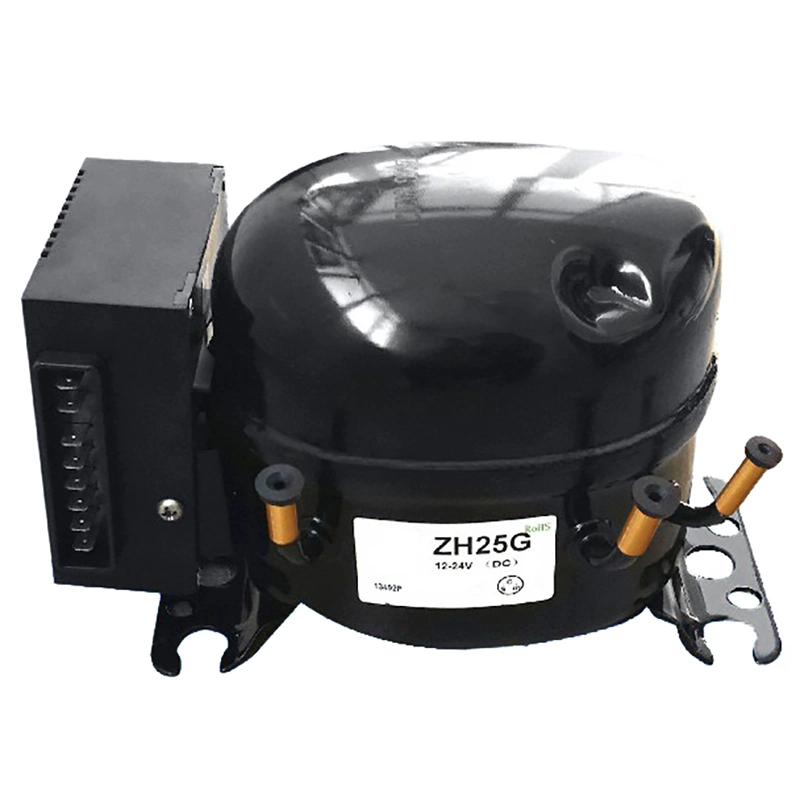
I. How to Select a Proper Compressor
Selecting the right compressor is the premise for stable equipment operation. Improper selection may lead to poor refrigeration, continuous running, compressor burnout and high energy consumption. Please refer to the following key points for selection:
1. Match model according to refrigeration capacity
Each piece of equipment has fixed refrigeration demand. The refrigeration capacity of the compressor must match the cabinet volume, ambient temperature, door‑opening frequency and application scenario.
Insufficient refrigeration capacity will cause the equipment to fail to reach the target temperature for a long time. The compressor runs at full load continuously and is highly prone to overheating and burnout.
Excessive refrigeration capacity results in frequent start‑stop cycles, high energy consumption, accelerated wear and shortened service life.
2. Match the corresponding refrigerant type
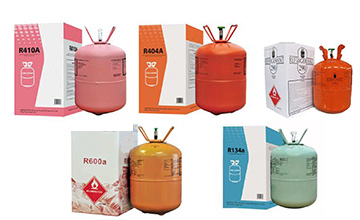
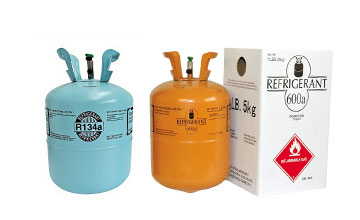
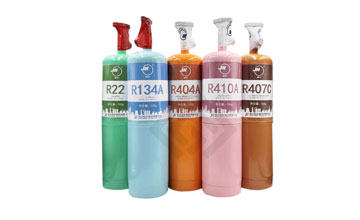
Common refrigerant types include R134a, R404A, R290, etc. Never mix different refrigerants. Otherwise, serious failures such as lubrication failure, valve plate damage, cylinder seizure and compressor burnout will occur.
3. Select model according to operating temperature scenarios
Medium‑temperature models are suitable for refrigerated cabinets, beverage coolers and fresh‑keeping cabinets (for regular 0℃~10℃ fresh‑keeping scenarios).
Low‑temperature models are suitable for freezers, low‑temperature cold storage and quick‑freezing equipment (sub‑zero temperature scenarios).
Medium‑temperature compressors must not be operated for long periods under low‑temperature working conditions, which will cause overload and rapid damage.
4. Confirm voltage and working environment
Most household and commercial compressors operate at 220V, while some are 110V. The voltage must match local power supply. Unstable voltage, low voltage or high‑voltage fluctuation may cause compressor startup failure and overheating burnout of motor windings.
5. Prioritize high‑stability and high‑energy‑efficiency models
For commercial equipment, fully‑enclosed high‑efficiency compressors are recommended. They feature low noise, good heat dissipation, high energy efficiency and low failure rate, and are suitable for long‑term continuous operation.
II. Correct Operation Methods of Compressors
Compressors are high‑precision sealed devices. Operation methods directly affect service life. Please follow the specifications below in daily use:
1. Pre‑start inspection
Check that the compressor is firmly installed without tilting, loosening or collision damage.
Inspect pipelines for oil leakage, refrigerant leakage, deformation or cracking.
Make sure power supply, earthing, protectors and wiring terminals are in good condition.
Ensure good ventilation around heat‑dissipation parts, and keep condensers free from blockage by debris.
2. Start‑stop operation specifications
Avoid frequent power‑on and power‑off. Wait for 3‑5 minutes after shutdown before restarting, to prevent startup overload and burnout caused by unbalanced system pressure.
Listen to operating sound after power‑on. Normal operation produces steady low‑frequency hum without abnormal noise, knocking or shrill sound.
The unit will start and stop automatically when cooling is normal. Do not interrupt operation by manual power‑off.
3. Daily operation notes
Do not overload the equipment. Avoid placing large quantities of high‑temperature goods at one time.
Keep the surrounding area clean and well‑ventilated. Poor heat dissipation is the top cause of compressor damage.
Do not adjust system pressure or temperature‑control parameters arbitrarily to avoid overload operation.
III. Daily Maintenance of Compressors
Regular basic maintenance can greatly extend service life and reduce failure rate.
1. Routine inspection (weekly / monthly)
Check operating noise, vibration and shell temperature for abnormalities.
Inspect pipelines for traces of oil seepage or refrigerant leakage.
Clean dust, lint and debris on condenser surfaces to guarantee smooth heat dissipation.
Check power cords and terminals for looseness, overheating or oxidation.
2. Quarterly maintenance
Deep‑clean the heat‑dissipation system to prevent high‑pressure and high‑temperature protection triggered by dust accumulation.
Inspect the filter‑drier. Replace it in time if the system suffers water ingress or blockage.
Check the refrigeration speed to judge whether compressor performance is degraded.
3. Prohibited operations
Do not disassemble, knock, drill or weld the compressor housing without authorization.
Do not run faulty equipment unattended for long periods.
Do not operate for long hours under poor heat‑dissipation, blocked or high‑temperature environments.
IV. Important Safety Operation Specifications
Compressors are high‑pressure, live‑electricity sealed refrigeration devices. Strict safety rules must be followed during installation, maintenance and operation to avoid electric shock, explosion, leakage and equipment damage.
1. Electrical safety specifications
The equipment must be reliably earthed. Do not use equipment without earthing to prevent electric shock hazards.
All maintenance, wiring and disassembly work must be carried out after power‑off.
Do not use unqualified fuses or short‑circuit protectors.
Do not force startup under unstable voltage or aging wiring conditions.
2. Refrigerant safety specifications
Do not weld, disassemble or drill on pressurized refrigeration systems.
Avoid direct contact of refrigerant with skin and eyes to prevent frostbite injuries.
Flammable refrigerants (such as R290) must be kept away from open flames and high‑temperature sources. Fire‑related work is strictly prohibited.
Keep good ventilation at leakage sites. Do not operate in enclosed spaces.
3. Mechanical and installation safety
Avoid violent bumping, dropping or excessive tilting of the compressor.
Do not open the shell of sealed compressors privately. Shell opening will render the compressor scrapped and bring safety risks.
Install the compressor horizontally. Excessive tilting will cause poor oil return and cylinder seizure.
4. Requirements for maintenance personnel
Equipment inspection, refrigerant charging, welding and system commissioning must be performed by professional refrigeration technicians. Non‑professionals are forbidden to disassemble, adjust pressure, charge refrigerant or repair the unit without authorization, to prevent equipment scrapping and safety accidents.
The service life and stability of the equipment depend on reasonable selection, standardized operation, regular maintenance and safe operation. Regular maintenance is of great importance.
.jpg)


Subscribe for more updates
Get instant updates about our new products and special promos!
